Understanding the Modeling Toolkit Behind Model-Informed Drug Development
Model-Informed Drug Development draws on a growing toolkit of quantitative approaches, each suited to different questions across the product lifecycle. Understanding the distinctions between these approaches is a useful starting point for anyone evaluating where to invest modeling resource.
Physiologically-Based Pharmacokinetics (PBPK)
PBPK models describe drug absorption, distribution, metabolism and excretion using physiological compartments that represent organs and tissues. Within MIDD, PBPK is widely applied to first-in-human dose predictions, drug-drug interaction risk, and dose adjustments in special populations such as paediatrics, geriatrics, pregnancy and organ impairment. Because these models are grounded in physiology rather than empirical curve-fitting alone, they support extrapolation to populations or scenarios where clinical data is limited or unavailable, often reducing the need for additional trials.
Quantitative Systems Pharmacology (QSP)
How These Approaches Fit Into the Broader Discipline
The Regulatory Trajectory
Where AI Fits
A Field Built on Shared Language

Explore the Agenda
Preview strategy-led case studies on AI-enabled MIDD, pharmacometrics-biostatistics collaboration and ICH M15 in practice, alongside interactive discussions and hands-on workshops across three content-rich days.

Partner With Us
Position your organization as the go-to solution provider by showcasing your technologies, services and expertise to senior MIDD decision-makers actively evaluating modelling and simulation partners.
Join Biopharma Experts
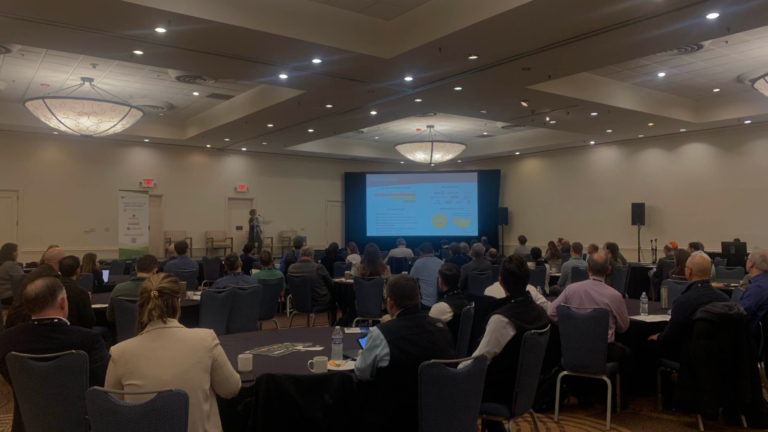
Connect with pharmacometricians, clinical pharmacologists, QSP scientists and regulatory leaders through case studies, roundtables and structured networking designed for an intimate room, not a crowd.